
Introduction
In today’s race toward vertical cityscapes, building tall is only half the challenge — ensuring that these massive structures remain safe, reliable, and efficient over decades is where the real work begins. For engineers and architects, the choice of structural elements can make the difference between a building that performs flawlessly and one that struggles to meet expectations.
Among the many components in a high-rise steel framework, MS I-beams have become a staple choice for construction. Whether you are looking at a modern commercial tower, a sprawling bridge, or a large industrial complex, there’s a strong chance that MS I-beams form part of the underlying skeleton. Their efficiency, versatility, and ability to handle complex structural demands set them apart in an industry that leaves little room for error.
This blog will explore not only why MS I-beams are the preferred option for high-rise steel structures but also their broader applications, selection tips, and installation best practices.
What Exactly Are MS I-Beams?
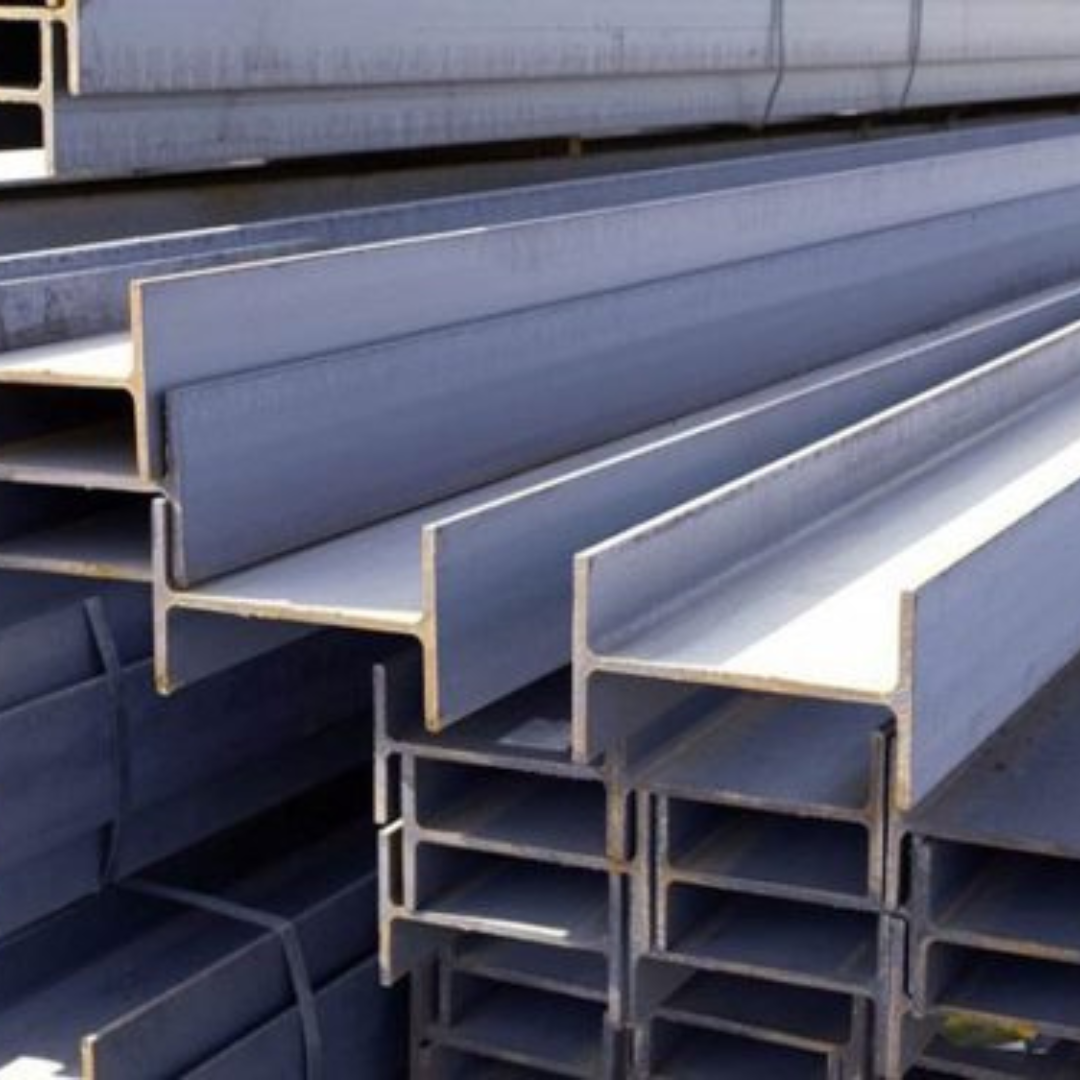
MS I-beams are structural steel beams with a cross-section shaped like the letter “I.” They consist of two horizontal flanges connected by a vertical web. This configuration allows them to carry heavy loads efficiently by concentrating material in areas that bear the most stress — the flanges for bending and the web for shear forces.
Key Characteristics of MS I-Beams:
Why MS I-Beams Are a Go-To Choice in High-Rise Construction
High-rise buildings present unique challenges: immense vertical loads, wind sway, seismic considerations, and efficient material use. MS I-beams address these challenges in several ways.
1. Exceptional Load-Bearing Performance
The I-shape allows for excellent bending and shear handling. This means:
In practical terms, this means a more stable building core and reduced risk of deflection in tall structures.
2. Optimized Material-to-Performance Ratio
When comparing MS I-beams to solid rectangular beams of similar capacity, the I-beam often uses less steel to achieve the same load performance. For developers, this translates into:
3. Adaptability Across Structural Roles
MS I-beams aren’t confined to one type of role in a building. They can be:
This adaptability is a reason why, in certain vertical load-dominant applications, ISMB sections of I-beams may be chosen over MS H-beams.
MS H-Beam vs MS I-Beam: Knowing the Difference
While both fall under structural steel beams, the differences matter when choosing the right component.
MS I-Beams:
MS H-Beams:
In most high-rise projects, the structural focus leans toward vertical load efficiency, giving MS I-beams the advantage.
Applications Beyond High-Rise Construction
While skyscrapers may be their most visible use, MS I-beams for construction find their way into many industries:
This versatility ensures that the production and use of MS I-beams remain relevant across sectors, not just urban construction.
Selecting the Right MS I-Beam for Your Project
Choosing the correct I-beam involves more than just picking a size. A systematic approach ensures both performance and compliance with standards.
Step 1: Define Load Requirements
Work with a structural engineer to calculate live and dead loads, factoring in environmental influences like wind and seismic forces.
Step 2: Select the Correct ISMB Section
Beam depth, flange width, and web thickness must match the load calculations.
Step 3: Choose the Right Grade
Different types of grades offer varied weldability, toughness, and load capacity — select according to project specifications.
Step 4: Consider Environmental Exposure
Projects near coasts or in industrial zones may require protective coatings or treatments to safeguard performance.
Step 5: Source from Certified Suppliers
Ensure your supplier meets BIS (Bureau of Indian Standards) specifications for structural steel beams.
Installation Best Practices for MS I-Beams
Proper installation determines how well your MS I-beams perform over time.
Maximizing the Value of MS I-Beams in Projects
The Future Outlook for MS I-Beams
As urban centres continue to grow vertically, the role of MS I-beams in high-rise steel structures will continue to expand. Advances in steel production are leading to lighter yet more efficient beams, which reduce construction timelines and improve sustainability.
Their adaptability also ensures that beyond skyscrapers, they will continue to play a key role in infrastructure, manufacturing, and renewable energy. For engineers and project managers aiming for reliability, efficiency, and adaptability, MS I-beams remain a clear choice.
Build with YAxis Structural Steels. Choose lighter, stronger, and smarter MS I-beams for unmatched reliability, versatility, and sustainability — from skyscrapers to infrastructure, manufacturing, and renewable energy.
📍Visit Our Office: 607/608, 6th Floor, Clover Hills Plaza, NIBM Road, Kondwa, Pune – 411048
📞 Call us: (+91) 8956025602 | (+91) 8956025601
🌐 Visit our website: https://yaxissteels.com/
YAxis Structural Steels Pvt. Ltd., endeavor to give consumer loyalty by executing Quality Management System.
© 2026 YAxis Structural Steel. Designed & Developed by Websoft Techno