
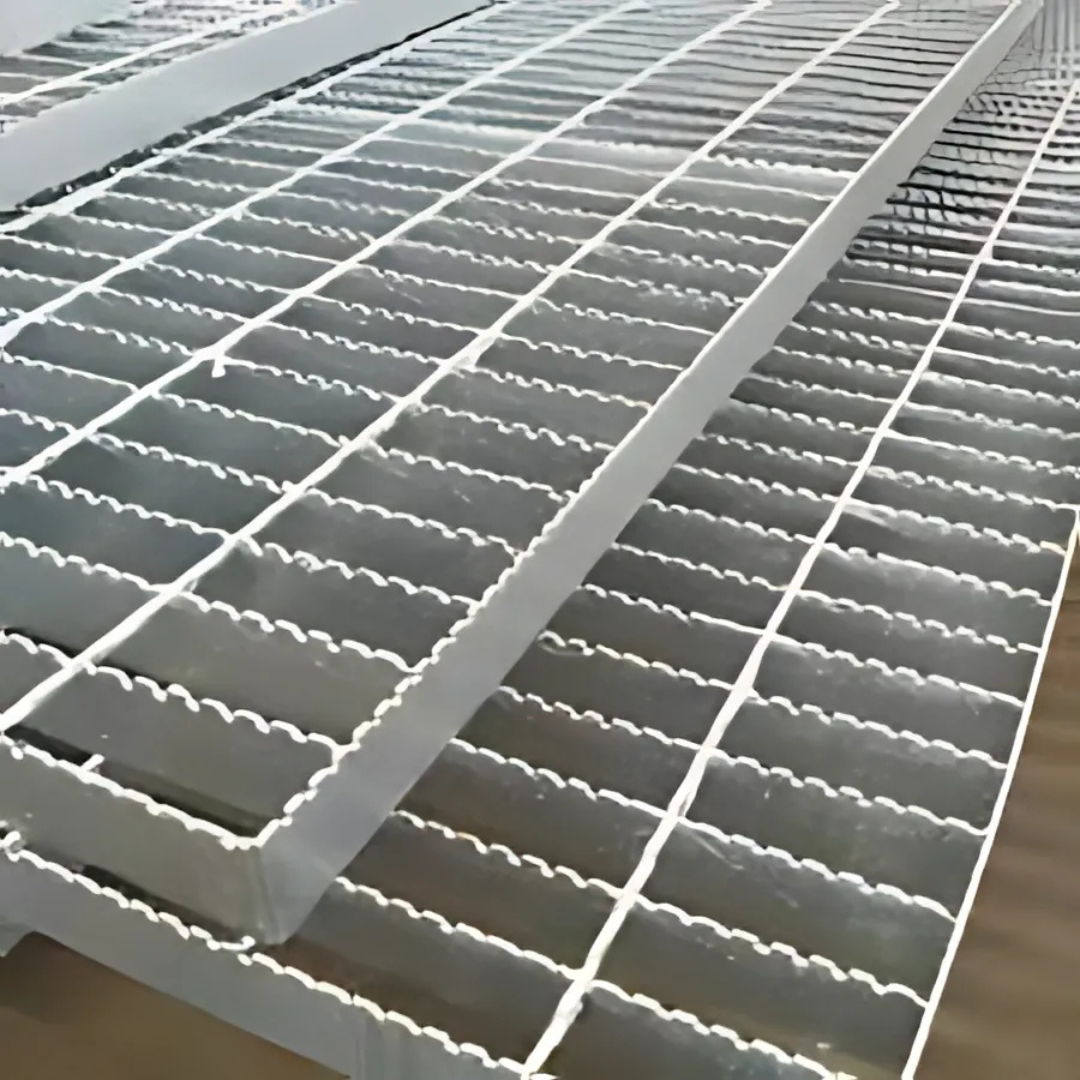
Slippery surfaces in high-traffic environments can lead to far more than minor inconvenience—they are often the root cause of workplace incidents, delays, and rising operational costs. That is why the spotlight is increasingly turning toward MS serrated flat bars for anti-slip safety. These bars aren’t just simple strips of metal; they are engineered with purposeful grooves that enhance surface grip and help people (and machinery) stay upright and on track.
Let’s take a deep dive into how these bars are transforming flooring safety across multiple industries—and why they just might be the upgrade your space needs.
What Are MS Serrated Flat Bars?
MS stands for mild steel, and serrated flat bars are simply flat pieces of this material with precision-cut ridges or grooves on the surface. These serrations are the secret weapon behind their traction power. Unlike smooth-surfaced bars that can become hazardous when wet, greasy, or dusty, serrated bars offer a consistent grip—day in and day out.
These anti-slip steel bars are most commonly found in industrial flooring, but as you will see shortly, their utility extends well beyond factories and workshops.
Why Serrated Bars Improve Anti-Slip Safety
The serrated pattern on these bars increases friction between the foot (or wheel) and the surface. That extra bite means reduced chances of slipping—even in the messiest conditions.
Key Benefits:
That’s why so many facilities are choosing serrated bars over other floor materials. It’s not just about meeting safety codes—it’s about creating a space where people can move confidently.
MS Serrated Flat Bar Uses: Beyond the Basics
Sure, factories and construction sites are obvious choices—but let’s go beyond the usual. The versatility of the MS serrated flat bar makes them incredibly valuable across a wide range of industries.
1. Access Ramps
Ideal for public or private ramps where foot or wheelchair traffic needs additional grip, especially in rainy or icy conditions.
2. Agricultural Operations
Used in grain silos, animal housing, and tractor platforms, these bars offer reliable footing in muddy, wet, or feed-covered surfaces.
3. Cold Storage & Freezer Rooms
In environments where condensation or frost is common, serrated flat bars help workers keep stable footing without relying on temporary mats.
4. Vehicle Steps & Loading Platforms
For logistics, fleet vehicles, and heavy machinery, serrated flat bars provide safer step-ups, especially in outdoor or all-weather use.
5. Food Processing Plants
In kitchens, canneries, or beverage factories—where liquids spill often—serrated bars prevent accidents without interfering with sanitation protocols.
6. Public Infrastructure Projects
Used in metro stations, stadiums, footbridges, and terminals, serrated flat bars enhance pedestrian safety in high-traffic areas.
In short, these bars aren’t just industrial—they are increasingly being used in commercial and public-facing spaces where safety matters.
How They Outperform Traditional Anti-Slip Options
There are plenty of flooring choices out there, from rubber mats to textured tiles. But when safety is a core priority, MS serrated flat bars offer a solid alternative.
Why They are Preferred:
They are also easier to maintain and tend to retain their anti-slip qualities over a much longer period compared to temporary or decorative solutions.
Design Considerations: Choosing the Right Setup
Not all serrated bars are made the same. Choosing the right configuration depends on your space, the people using it, and the surrounding conditions.
Here’s what to factor in:
Cleaning & Maintenance Tips
Good safety solutions don’t need to be high-maintenance, and MS serrated flat bars are no exception. Here’s how to keep them working like new:
Proactive maintenance doesn’t take much effort but keeps the system functioning at peak safety levels.
Real-World Impact: Safer, Smarter Facilities
A growing number of safety engineers are recommending serrated bars in everything from public transportation terminals to school campuses. Why? Because they see consistent results: fewer incidents, better compliance during inspections, and more confident foot traffic.
It’s a safety-first choice that shows both staff and the public that their well-being is a priority.
Making the Investment Count: Cost vs. Value
Some people hesitate due to the perceived upfront cost, but take a step back and look at the bigger picture:
That’s a smart return on a modest investment—especially when people’s safety is on the line.
A Quick Starter Guide: How to Implement MS Serrated Bars
Here’s a five-step approach to bring ms serrated flat bars for anti-slip safety into your facility:
A bit of upfront planning goes a long way in delivering long-term peace of mind.
Final Thoughts: Step Up to Safety
At the end of the day, MS serrated flat bars do more than improve flooring—they create environments where people can move with confidence. Whether you’re overseeing a manufacturing line, public transit hub, or even an agricultural storage site, these bars bring consistent anti-slip performance that simply works.
Don’t wait for a near-miss or a reportable incident. Get proactive. Get grippy. And give your space the reliable, no-nonsense safety flooring it deserves.
👉Connect with YAxis Structural Steels today to make your workplace safer and stronger.
Our MS serrated flat bars are engineered for unmatched anti-slip performance, offering durability, safety, and reliability across industries—from heavy-duty manufacturing floors to public transit hubs and agricultural storage sites. Built to withstand demanding environments, they ensure long-lasting grip and peace of mind where it matters most.
📍Visit OurOffice: 607/608, 6th Floor, Clover Hills Plaza, NIBM Road, Kondwa Pune – 411048
📞Contact Us : (+91) 8956025602 | (+91) 8956025601
🌐Visit OurWebsite:www.yaxissteels.com
YAxis Structural Steels Pvt. Ltd., endeavor to give consumer loyalty by executing Quality Management System.
copyright@2024 YAxis Structural Steel. Designed & Developed by Websoft Techno