
When planning your fabrication project, selecting the right material is crucial. Among the many choices, mild steel stands out due to its versatility, cost-effectiveness, and wide range of applications. However, once you have decided to use mild steel, the next challenge is choosing between mild steel sheets and mild steel coils. While both materials serve similar purposes, they differ in terms of handling, cost, and applications.
This blog will compare steel sheets vs. coils, helping you make an informed decision for your next fabrication project. We’ll explore the differences, advantages, and disadvantages of each, along with some tips on when to use one over the other.
What are Mild Steel Sheets?
Mild steel sheets are flat, thin pieces of steel that come in a range of thicknesses, typically from 0.5mm to several millimeters. They are cut to a specific length and width, making them easier to handle and process for smaller or specific fabrication needs. These sheets are commonly used in industries such as automotive, construction, and appliances.
Key Features of Mild Steel Sheets:
What are Mild Steel Coils?
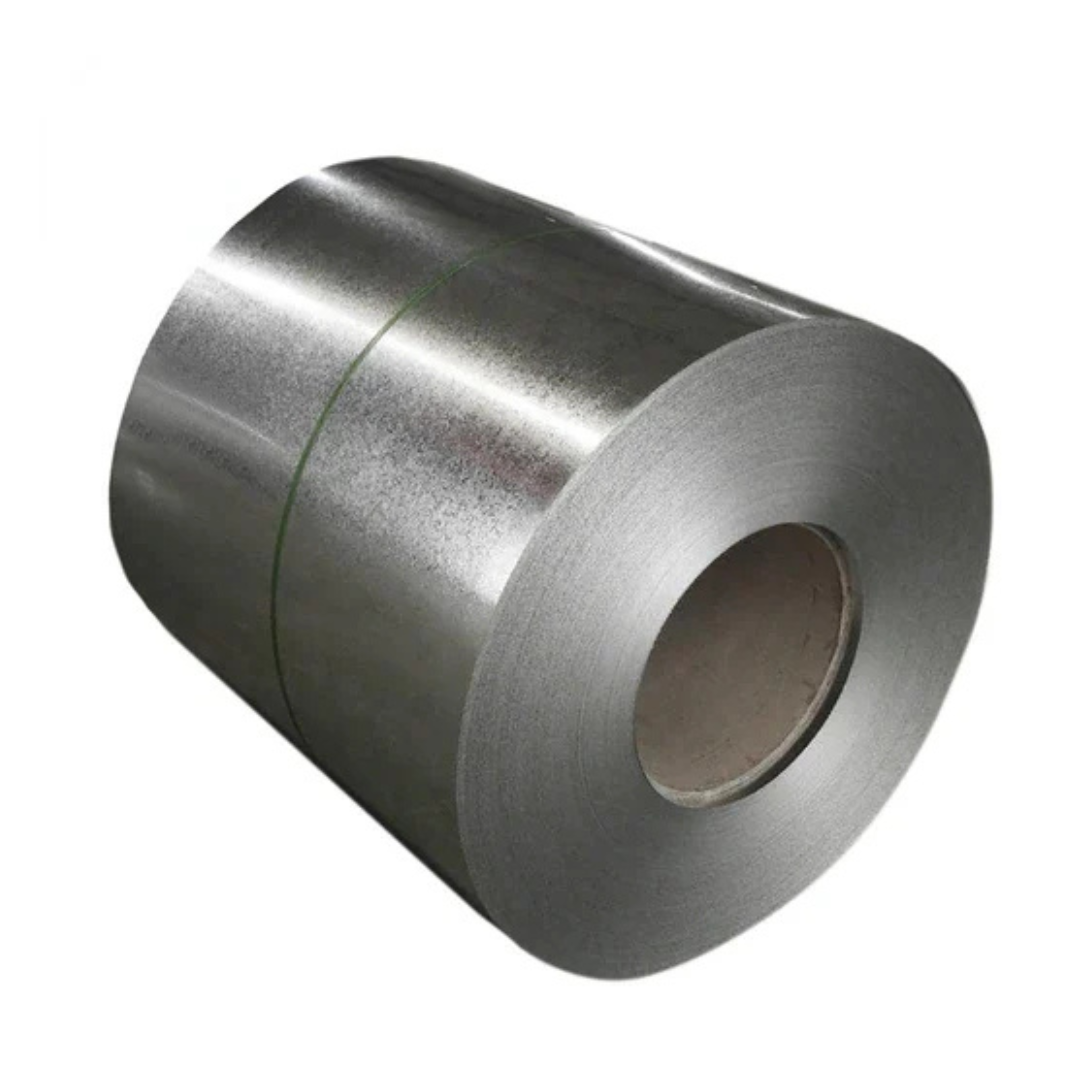
Mild steel coils are large rolls of steel that are usually produced from the hot-rolling process, which involves rolling steel at high temperatures to create thinner, longer strips. These coils are often used in roll-forming processes, which can be further processed into sheets or other shapes. Coils are particularly popular for mass production due to their cost-effectiveness and ease of handling in continuous processing.
Key Features of Mild Steel Coils:
Steel Sheets vs. Coils: Which One is Best for Your Project?
When deciding between mild steel sheets and mild steel coils, it’s important to consider the specific needs of your project, including processing requirements, cost, and the scale of your production. Below are key points to help guide your decision.
1. Project Size and Scale
If your project is small-scale or involves intricate, one-off parts, mild steel sheets might be the better option. They are pre-cut to specific dimensions, so you can immediately start your fabrication process without the need for additional cutting.
On the other hand, mild steel coils are ideal for large-scale production where continuous processing is necessary. If you’re manufacturing parts in high volumes or need to roll form the material into different shapes, coils offer a more efficient solution.
2. Cost-Effectiveness
When it comes to cost, mild steel coils are generally more cost-effective for large-scale fabrication. Because they are produced in long rolls and require fewer steps for processing, they tend to be cheaper per unit compared to sheets, especially when ordering in bulk.
For smaller runs or custom pieces, mild steel sheets can be more economical as they don’t require additional processing like cutting or unwinding, which is necessary when working with coils.
3. Processing and Fabrication
Steel sheets are easier to handle for smaller, more precise projects. They can be easily cut, welded, or shaped into specific parts, making them the preferred option for applications that require fine details or complex designs.
Mild steel coils, however, are generally used in roll-forming processes, where the material is fed through a machine that continuously shapes it into different profiles. This method is especially suitable for producing large quantities of uniform parts, such as metal roofing or automotive components.
Additionally, for processes like steel cutting, the sheet form is often preferred due to its convenience and lack of need for unwinding before cutting.
4. Handling and Storage
While mild steel sheets are easier to store due to their flat shape, they can be heavier and more cumbersome when dealing with larger projects. Sheets also take up more space when you have to store large quantities.
Mild steel coils are often more compact and can be stored in a smaller area, but they require special equipment, such as a coil processing machine to unwind and cut them to the desired size. Coils also require careful handling due to their weight and tendency to roll, which can make them more challenging to manage during transportation and installation.
5. Applications Beyond Industrial Use
Both steel sheets and steel coils are used widely in industrial applications like manufacturing, construction, and automotive. However, their reach extends far beyond these sectors:
Conclusion: Steel Sheets vs. Steel Coils – Which is Right for You?
When choosing between mild steel sheets and mild steel coils, the key factors to consider are the scale of your project, cost, and specific processing requirements. Mild steel sheets are better suited for smaller, precision-focused tasks, offering ease of handling and customization. On the other hand, mild steel coils are ideal for large-scale production, offering significant cost savings and efficiency when processed through rolling and shaping systems.
By understanding your project’s needs, you can make an informed choice that optimizes both cost and performance. Whether you are working on an automotive, construction, or industrial project, mild steel’s versatility ensures that you have the right material for the job.
Ready to find the perfect steel solution for your project?
At Yaxis Structural Steels, we specialize in providing high-quality mild steel sheets and coils tailored to your specific needs. Our team is here to guide you in selecting the perfect material for your project.
Visit Our Office:
607/608, 6th Floor, Clover Hills Plaza, NIBM Road, Kondwa, Pune – 411048
Contact Us:
Phone: (+91) 8956025602
Phone: (+91) 8956025601
Visit our website: https://yaxissteels.com/
Let us help you make your project a success with the right materials and expert guidance.
YAxis Structural Steels Pvt. Ltd., endeavor to give consumer loyalty by executing Quality Management System.
copyright@2024 YAxis Structural Steel. Designed & Developed by Websoft Techno