
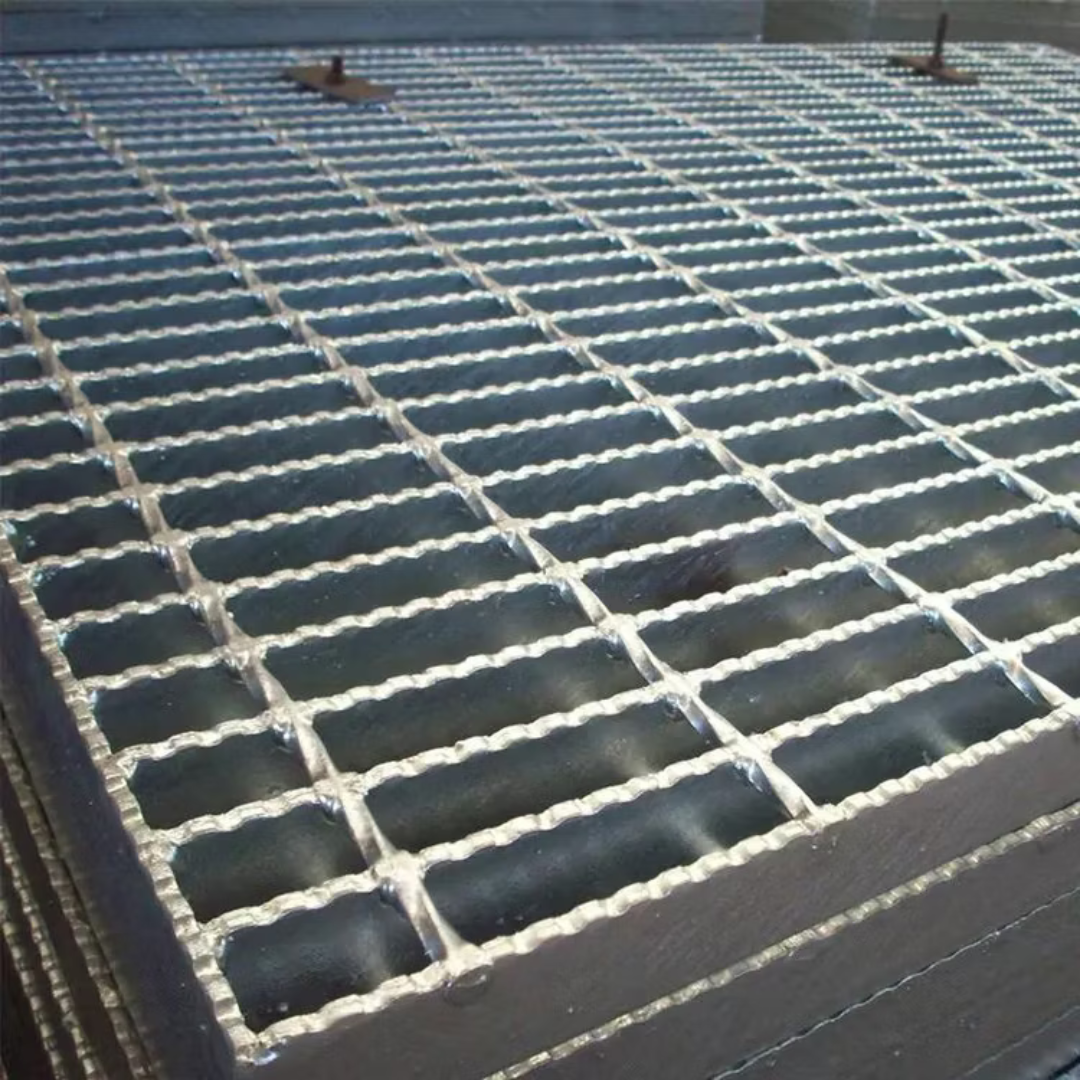
Whether you are designing an industrial platform, assembling custom shelving, or planning a public walkway, choosing the right serrated flat bar size is a crucial step. These bars may appear straightforward, but their dimensions and specifications can significantly affect both performance and project success.
In this guide, we will explore everything from standard sizes and specifications to material grades and application types. You will also find practical selection tips and use-case scenarios to help ensure your material choices align with your project goals.
What Are Serrated Flat Bars?
Serrated flat bars are flat metal strips that have one edge notched or grooved. These serrations enhance slip resistance, making the bars especially effective for flooring and grating applications where safe footing is essential. You will often find them used as bearing bars in metal grating systems, though their applications extend far beyond that.
Typical Applications Include:
Their non-slip surface and load-bearing capability make them a smart choice across a variety of industries.
Understanding Serrated Flat Bar Sizes
To make informed decisions, it’s important to understand the standard flat bar dimensions. These bars come in various widths, thicknesses, and lengths to suit different load and layout requirements.
1. Width
Widths typically range from:
The width you choose directly affects surface coverage and structural capacity.
2. Thickness
Thicknesses generally range from:
Thicker bars provide better load distribution, especially in areas expecting vehicle or machinery traffic.
3. Length
Standard lengths include:
Custom lengths can also be manufactured to fit specific installation requirements.
4. Serration Patterns
The serration pattern adds functionality to the bar. Common options include:
The environment and use case will determine the most appropriate serration type.
Specifications and Material Grades
Serrated flat bars are produced according to specific manufacturing standards. Each standard outlines requirements related to chemical composition, mechanical properties, and tolerances.
Common Manufacturing Standards:
Beyond just the standard, selecting the correct grade of material is equally important.
Frequently Used Grades:
Each grade has specific advantages, so choosing the right one depends on your fabrication process and end-use environment.
How to Choose the Right Serrated Flat Bar
Making the right selection involves more than just knowing the measurements. Here’s a practical approach to help you choose the right product for your needs.
1. Define the Load Requirements
Determine whether the bars will support pedestrian traffic, equipment, or vehicle weight. Refer to the load tables provided by manufacturers or structural engineers.
2. Assess the Installation Environment
Will the bars be exposed to moisture, chemicals, or outdoor conditions? This will affect your choice of serration pattern and material grade.
3. Match the Grade to Your Fabrication Needs
If the bars require cutting, welding, or bending, opt for grades that are known for their fabrication compatibility.
4. Verify Compliance with Project Standards
Ensure the bars meet the relevant ASTM, EN, or JIS standards required by your project.
5. Plan for Long-Term Performance
Consider the product lifecycle and maintenance. Choosing the correct specifications upfront can reduce the need for future repairs or replacements.
Applications Beyond Industrial Use
While often associated with construction or industrial settings, serrated flat bars are incredibly versatile. Their anti-slip properties and simple form make them ideal for non-traditional environments as well.
Here are a few broader applications:
Their adaptability makes them a valuable component in modern structural and design applications.
Frequently Asked Questions
Q1: Can I order serrated flat bars in non-standard sizes?
Yes. Most manufacturers offer customized widths, thicknesses, and lengths based on specific requirements.
Q2: Is there a major difference between serrated and plain flat bars?
Yes. Serrated bars provide better grip and are typically used in flooring or grating, whereas plain bars are used where slip resistance is not a priority.
Q3: How do I estimate how many bars are needed for my project?
You will need to calculate the total surface area and factor in bar spacing and overlap. Most manufacturers offer calculators or can assist with layout planning.
Q4: Do different serration patterns perform differently?
They can. Deeper or wave-pattern serrations tend to provide better grip in wet or outdoor environments.
In Summary
Serrated flat bars are more than just building components. They are a practical solution across a wide range of industries and environments. Knowing the right serrated flat bar sizes, grades, and specifications can save time, reduce costs, and improve safety on any project.
If you are planning a build, working on a quote, or managing a large-scale installation, always consult with your supplier or engineer to ensure you are getting the right product for the job.
Looking for expert guidance and premium-quality serrated flat bars?
Get in touch with YAxis Structural Steels —your trusted partner.
👉 Visit our website: https://yaxissteels.com/
📞 Call us: (+91) 8956025602
(+91) 8956025601
📍 Visit our Office: 607/608, 6th Floor, Clover Hills Plaza, NIBM Road, Kondwa Pune – 411048
Whether you are in the design phase or ready to place an order, YAxis Structural Steels offers the quality, technical support, and reliability your project deserves. Reach out today and let the experts help you make the right call.
YAxis Structural Steels Pvt. Ltd., endeavor to give consumer loyalty by executing Quality Management System.
copyright@2024 YAxis Structural Steel. Designed & Developed by Websoft Techno