
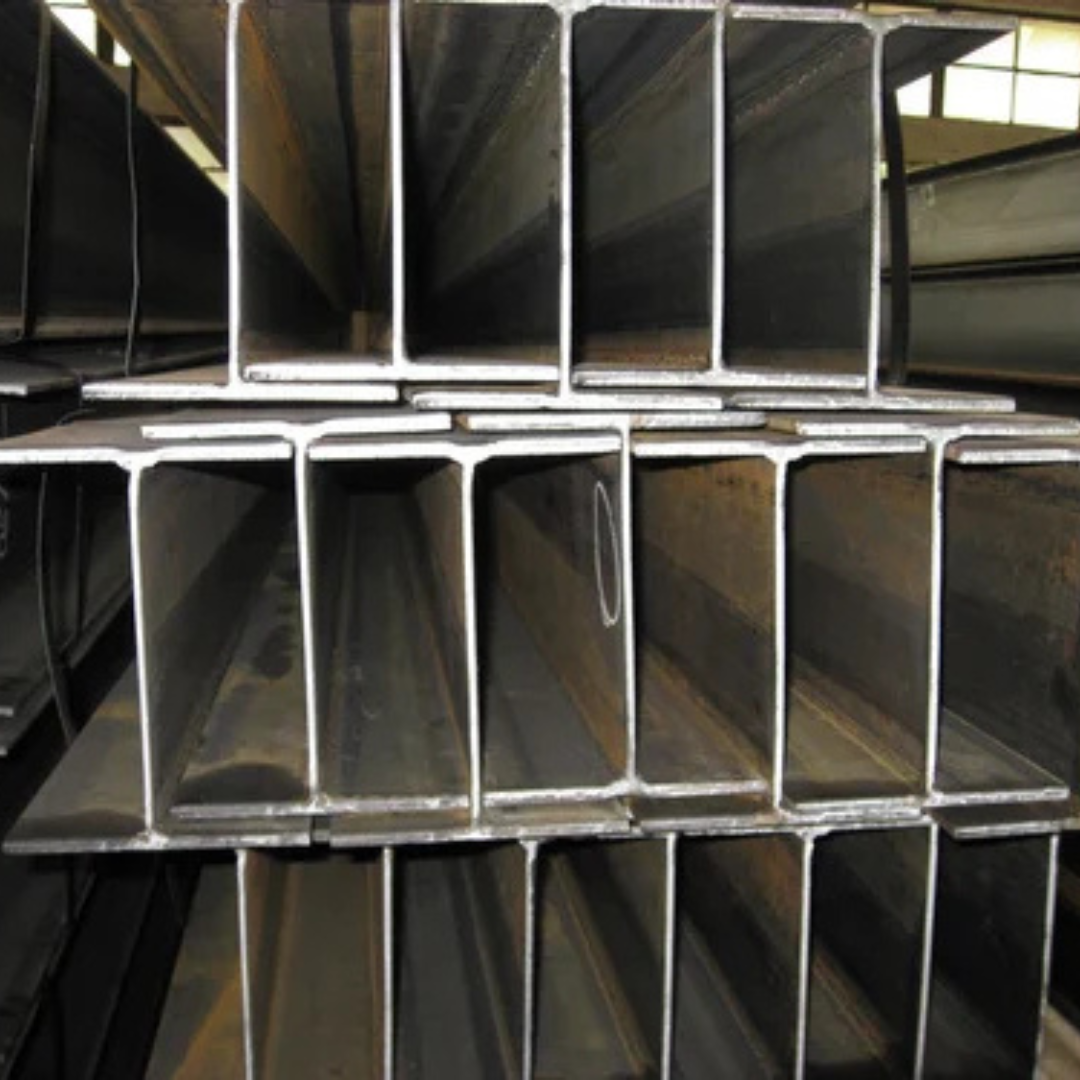
In today’s fast-evolving world of infrastructure, utilities, and agriculture, choosing the right type of pole for structural support is more than just a material decision—it’s about future-proofing your investment. RSJ polesare quickly becoming the go-to alternative to wooden and concrete poles. But what exactly makes them so effective?
Let us explore the benefits of RSJ poles, why they outperform traditional options, and how their widespread use is quietly transforming industries across the board.
What Are RSJ Poles?
RSJ poles are fabricated from hot-rolled mild steel sections, engineered for load-bearing roles and heavy-duty applications. Unlike wooden or concrete poles, RSJ poles are manufactured using controlled processes and precise grades of steel, ensuring consistent performance across various environments.
They are commonly used in:
Why RSJ Poles Outperform Wooden Alternatives
Wooden poles have been a traditional choice in many settings, particularly rural infrastructure and farming. However, when comparing steel vs wooden poles, RSJ poles offer more control over long-term use.
Here’s where RSJ poles shine:
How RSJ Poles Compare to Concrete Poles
Concrete poles, while commonly used in infrastructure, come with their challenges. They are bulky, harder to transport, and more susceptible to cracking under dynamic loads or temperature variations.
RSJ Poles Offer:
Flexibility in Design and Application
One of the standout steel pole advantages is customization. RSJ poles can be fabricated in various sizes, lengths, and grades, depending on the required load capacity or specific use case.
Need something tailored for overhead cables in a high-wind zone? Or fencing in soft, loamy soil? RSJ poles can be made to suit.
Plus, installation flexibility means:
Economics in the Long Run
It might look like RSJ poles cost more upfront than wooden ones. The value comes into play over time.
Here’s how they save money:
When you factor in the full lifecycle cost, RSJ poles offer better returns on investment, especially for long-term infrastructure projects or municipal setups.
Environmentally Considerate
Let’s not forget the green angle. Since RSJ poles are recyclable, they contribute to circular manufacturing processes. At the end of their service life, they can be melted down and reused, leaving less environmental impact than wood-treated poles or reinforced concrete.
Also, by avoiding chemical preservatives (often necessary with wooden poles), RSJ options are safer for surrounding ecosystems, particularly in agricultural zones or near water sources.
Real-World Uses Beyond Construction
While widely adopted in construction, RSJ poles are also making waves in other industries:
This kind of versatility adds another layer of value, especially for organizations looking for multipurpose hardware with proven reliability.
Pro Tips for Choosing RSJ Poles
Thinking about switching to RSJ poles? Here’s what to consider:
FAQs
Q: Are RSJ poles a good option for rural fencing?
Absolutely. They handle varied soil types, don’t require regular treatment, and support gates or wire without bowing.
Q: Do RSJ poles rust?
With the proper protective coating, they perform well even in high-moisture environments.
Q: How long do RSJ poles typically last?
Many last for decades with minimal upkeep, far surpassing their wooden or concrete counterparts.
Q: Can I use RSJ poles for both temporary and permanent structures?
Yes, their ease of installation and removal makes them ideal for both types of setups.
Wrapping It Up: Are RSJ Poles Worth It?
Yes. Whether you are tackling a rural fencing project, urban infrastructure, or something in between, RSJ poles are a solid investment. Their performance across diverse environments, minimal upkeep, and adaptable design gives them a clear edge.
So the next time you are evaluating materials, remember the benefits of RSJ poles aren’t just about function—they are about future-proofing your entire operation.
Ready to Make the Switch? Let’s Build Better Together.
At YAxis Structural Steels, we offer premium-grade RSJ poles designed for durability, consistency, and real-world efficiency. Whether you are planning a large-scale infrastructure rollout or a custom fencing job, our team is here to deliver solutions that last.
Visit our Website: https://yaxissteels.com/
Visit ourOffice: 607/608, 6th Floor, Clover Hills Plaza, NIBM Road, Kondwa Pune – 411048
Call Us: (+91) 8956025602 / (+91) 8956025601
Let’s talk about your next project—reach out today and discover how RSJ poles from YAxis Structural Steels can take your plans to the next level.
YAxis Structural Steels Pvt. Ltd., endeavor to give consumer loyalty by executing Quality Management System.
copyright@2024 YAxis Structural Steel. Designed & Developed by Websoft Techno