
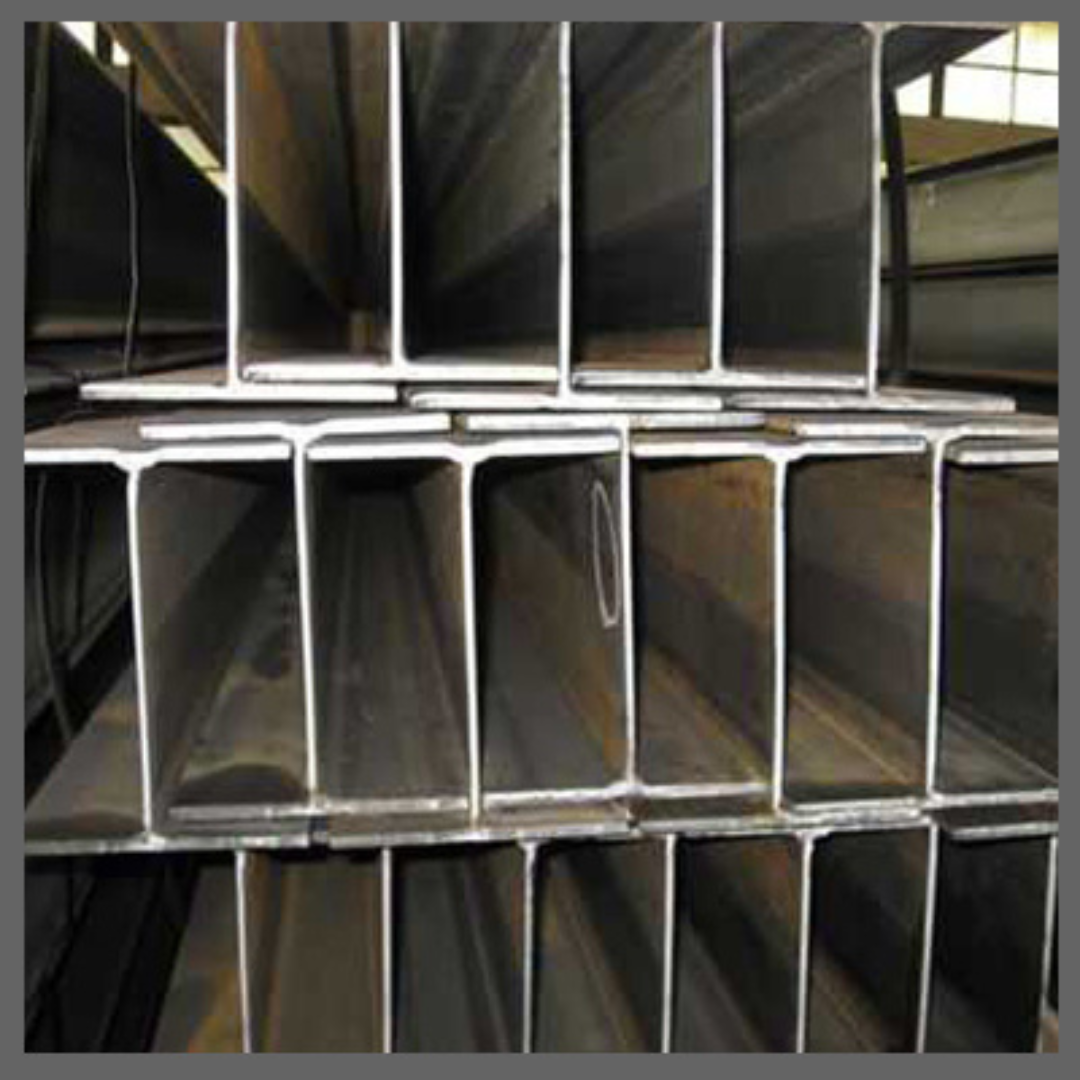
Discover key techniques and field-tested practices for structural MS beam installation. Learn how to ensure safer lifting, accurate alignment, and secure connections for reliable steel erection.
Structural MS Beam Installation Tips for Safer Construction
Installing structural MS beams is a critical phase in steel construction. Done right, it supports the stability and performance of the entire framework. Done wrong, it opens the door to costly delays and serious safety risks. That is why having a well-planned approach to structural MS beam installation is not just recommended—it is essential.
In this blog, we will break down practical steps and professional insights to carry out safe, accurate, and efficient MS beam installations. We will touch on everything from lifting MS beams to beam placement, beam alignment, and final welding and bolting, with a special focus on job-site safety.
Why Safe MS Beam Installation Matters
In any type of steel erection, safety takes priority over speed. Mistakes during the handling or placement of structural MS beams can cause alignment issues, unstable connections, or worse—accidents. Following a structured and safety-focused approach ensures:
1. Pre-Installation Planning: Set the Stage for Success
Before a single beam is lifted into place, meticulous planning should be completed. Key preparatory steps include:
Ensure your crew is familiar with the engineering drawings and layout plans. Misinterpretation of the design can lead to improper beam placement or misaligned joints.
Cross-check the grades of MS beams delivered to the site. Confirm that each beam matches the specs noted in the project drawings in terms of size, grade, and connection type.
Decide the order in which beams will be installed. Installing them out of sequence can cause misalignment or create unstable temporary conditions.
2. Lifting MS Beams: Techniques for Safe Handling
Lifting MS beams is one of the most risk-prone tasks on-site. Here’s how to handle it smartly:
All slings, chains, and hooks must be rated for the load being lifted. Inspect equipment regularly for wear and tear.
A designated spotter or signal person should be in communication with the crane operator during lifts. This improves coordination and reduces the risk of mishandling.
Use the correct lifting points and ensure the beam is balanced before hoisting. An unbalanced beam can spin mid-air, creating a hazard.
3. Beam Placement: Get It Right the First Time
When it comes to beam placement, precision and coordination are key. Here is what to keep in mind:
4. Beam Alignment: Avoid Future Issues
Proper beam alignment ensures that everything else in the structure lines up, including floor decks, roofing, and additional members. Misalignment now means bigger problems later.
Use modern alignment tools to verify both horizontal and vertical alignment. Old-school methods can be prone to human error.
Once the beam is placed, remeasure the key distances and angles before final fastening.
Minor shifts can be made before bolting or welding, but once it’s locked in, changes become time-consuming and costly.
5. Welding and Bolting: Secure Connections That Last
Once the beam alignment checks out, it is time to lock it in.
Bolting Guidelines
Welding Considerations
6. Safety in Steel Erection: Your First Priority
Nothing trumps safety in steel erection. A well-structured safety plan reduces the risk of injuries, delays, and compliance violations.
Must-Have Safety Measures:
Pro Tips for Smooth MS Beam Installation
Here are a few field-tested practices you can add to your playbook:
FAQs
Q: What is the best way to lift structural MS beams safely?
A: Use certified lifting equipment, maintain balanced loads, and assign a trained signal person to guide the crane operator.
Q: Can I bolt beams without aligning them first?
A: No. Always ensure beam alignment before bolting. Misaligned bolts can cause future fitting issues and unsafe connections.
Q: How do I know which grade of MS beam to use?
A: Refer to your engineering drawings. Each beam should match the specified grade and size called out in the structural plan.
Q: What are common beam installation mistakes to avoid?
A: Rushing the placement, ignoring safety checks, improper alignment, and using incorrect fasteners or tools.
Wrapping Up: Build Smart, Build Safe
There is no shortcut to safe and accurate structural MS beam installation. From prepping your team to executing each lift and fastening, every step plays a role in the success of your structure. Focus on clear communication, accurate alignment, and firm safety practices—and you will cut down on rework, prevent accidents, and keep your project right on track.
Looking for Expert Structural MS Beam Solutions?
At Yaxis Structural Steels, we understand the precision and planning it takes to execute reliable MS beam installations. Whether you need guidance on steel erection practices, high-quality fabrication, or on-time material delivery, our team is here to help you build better, safer, and faster.
📍Visit us at:
607/608, 6th Floor, Clover Hills Plaza
NIBM Road, Kondwa, Pune – 411048
📞Contact us directly:
(+91) 8956025602
(+91) 8956025601
💻Explore more at www.yaxissteels.com
Let us connect and make your next structural project a success, backed by quality, experience, and dedicated support from Yaxis Structural Steels.
YAxis Structural Steels Pvt. Ltd., endeavor to give consumer loyalty by executing Quality Management System.
copyright@2024 YAxis Structural Steel. Designed & Developed by Websoft Techno